
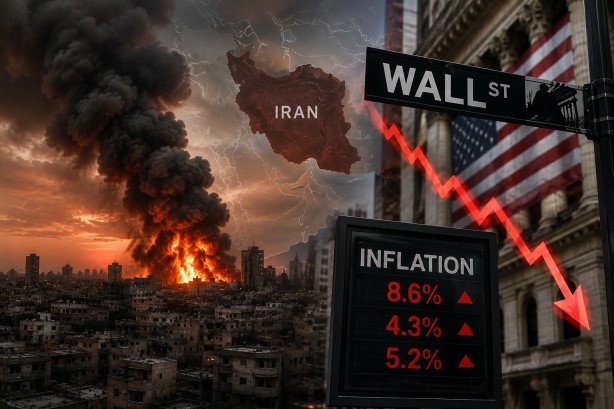
Tensions arising from the Iran conflict are exerting new inflationary pressures on the United States, primarily through rising energy prices and disrupted global supply chains. This situation raises concerns about how these factors might influence Wall Street’s robust stock-market rally, particularly if they lead to higher interest rates. A significant immediate effect has been observed in the Strait of Hormuz, a key energy passageway, where disruptions have led to a sharp increase in crude oil prices. This surge has, in turn, elevated gasoline and diesel costs for U.S. consumers, contributing to broader inflationary concerns.
Even though oil prices have somewhat stabilized with hopes for diplomatic negotiations, other factors are keeping inflationary pressures alive. Increased transportation expenses, ongoing supply chain disruptions, and rising prices for goods derived from petroleum are likely to continue driving up the costs of various goods and services. Furthermore, the conflict’s impact may extend into sectors like agriculture and technology. Disruptions in fertilizer supply could lead to higher food production costs, while helium shortages might inflate costs within the semiconductor industry.
The Federal Reserve faces a challenging scenario as it grapples with elevated core inflation, even as energy prices show signs of cooling. This persistent inflation could restrict the Fed’s ability to lower interest rates, potentially paving the way for more stringent monetary policies if price pressures worsen. Such a move could pose difficulties for businesses, particularly those in the technology and AI sectors, where significant investments in data centers, semiconductors, and infrastructure are underway. Higher borrowing costs might slow down these investments and put pressure on the high valuations of AI stocks.
Given that AI-related companies have been a critical driver of the U.S. stock market rally, any slowdown in AI investment or a dip in the valuations of high-growth tech firms could impact major stock indexes. Investors are keenly focused on whether the inflation spurred by the conflict will be temporary or if it will broaden and become entrenched in the economy. Persistent supply disruptions, coupled with sustained core inflation, might necessitate higher interest rates, creating a challenging landscape for Wall Street and potentially undermining the current bull market’s momentum.