
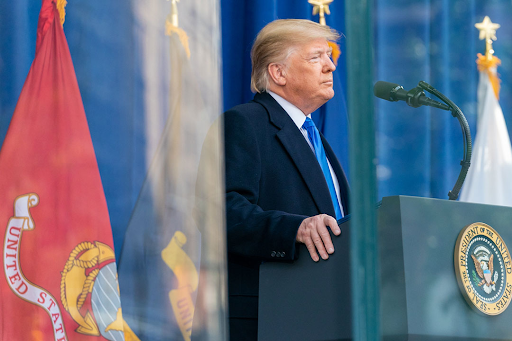
President Trump sent senior American officials to Russia and Ukraine while establishing an agreement-completion standard as the threshold for his personal participation in summit meetings. Trump declared he would engage Putin and Zelensky directly only when peace negotiations demonstrate substantial completion of a comprehensive settlement framework.
Special Envoy Steve Witkoff received authorization to conduct high-level discussions with President Putin in Moscow, while Army Secretary Dan Driscoll was directed to transition from Russian contacts to direct engagement with Ukrainian government representatives. The coordinated diplomatic missions reflect White House strategy to simultaneously pursue progress with both conflicting parties.
Trump’s characterization of recent negotiations as highly productive emphasizes what he described as tremendous advancement over the past week. The president claimed that initial disagreements have been substantially reduced through refinement of proposals, with only a limited number of contentious issues remaining unresolved.
The original 28-point American peace proposal generated fierce opposition from Ukrainian officials and European allied leaders who raised strong objections to specific provisions. Multiple rounds of intensive negotiations have produced substantial revisions that administration officials characterize as incorporating concerns from both Ukraine and its European supporters.
Ukrainian President Zelensky responded to negotiating developments with measured public statements that expressed appreciation for American diplomatic efforts while explicitly avoiding confirmation of specific agreements. Ukrainian officials have consistently emphasized that territorial questions at the heart of any lasting settlement require direct presidential-level discussions to resolve.