
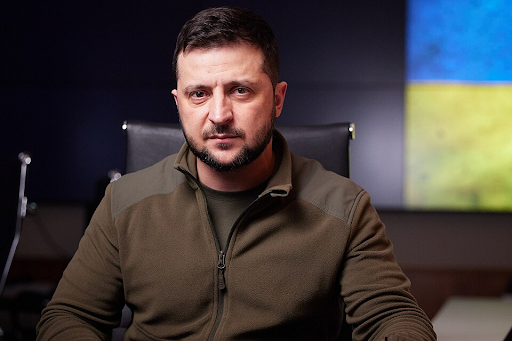
President Volodymyr Zelensky has voiced growing concern over a new kind of two-front problem for Ukraine: escalating aerial threats and diplomatic tensions on its western borders. In a single briefing, he flagged a major alleged Russian drone incursion into Poland and a separate, disputed drone incident involving Hungary, painting a picture of a nation facing security challenges from multiple directions.
The most serious claim was that 19 Russian drones had entered Poland on September 10. This allegation, if true, represents a grave threat to a NATO ally and a potential trigger for a wider conflict. It positions the frontline of the war squarely on the Polish-Ukrainian border, with Ukraine acting as a de facto shield for the alliance.
Simultaneously, the accusation against Hungary, a country that has often taken a maverick stance within NATO and the EU, has sparked a diplomatic feud. Ukraine’s foreign minister is publicly demanding an explanation, adding a layer of political tension to the already complex security map of Eastern Europe.
These incidents on the western flank provide a powerful argument for Zelensky’s main diplomatic push: securing more advanced weaponry from the United States. He confirmed a new deal for long-range arms is in the works, arguing that such systems are needed to counter threats regardless of their origin.
To manage this 360-degree threat environment, robust air defense is paramount. The recent arrival of a US-made Patriot system from Israel, with more to come, is a critical step in giving Ukraine the tools it needs to police its own skies and protect itself from the dangers that are now appearing on all sides.