
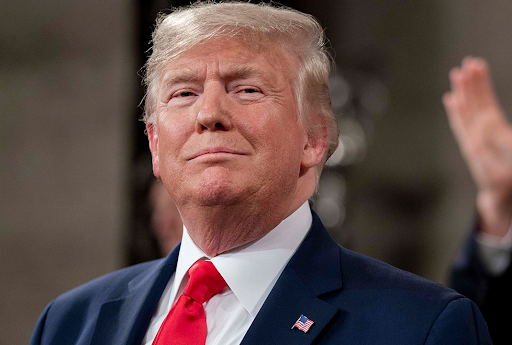
Donald Trump’s presidency was defined by one overarching theme: disruption. He disrupted domestic politics, international alliances, and global norms. While his supporters saw this as a necessary shaking up of a stagnant system, the Nobel Peace Prize Committee is an institution dedicated to stability and order. They will not, experts say, honor a legacy of disruption.
The prize was founded to build a more peaceful world order based on cooperation and law. It is inherently an award for construction, not deconstruction. Past laureates are those who have built institutions, forged treaties, and mended societal fractures. They are the architects of a more stable world.
Trump’s legacy is precisely the opposite. His major foreign policy moves were acts of disruption: withdrawing from the Paris Agreement disrupted the global consensus on climate; pulling out of the Iran nuclear deal disrupted a fragile non-proliferation framework; and questioning NATO disrupted the bedrock of transatlantic security. The Abraham Accords themselves were a disruption of the traditional Middle East peace process.
While disruption can sometimes lead to positive outcomes, the Nobel Committee’s core philosophy is that sustainable peace is achieved through patient, predictable, and cooperative means. They believe in the power of norms, institutions, and international fraternity—the very things Trump’s disruptive approach called into question.
To award the prize to Trump would be to endorse disruption as a valid tool of peacemaking. It would be a betrayal of the committee’s century-long commitment to building a stable, rules-based international order. For this reason, his legacy of disruption, while historically significant, is seen as a clear disqualifier for an award that celebrates the builders, not the disruptors.