
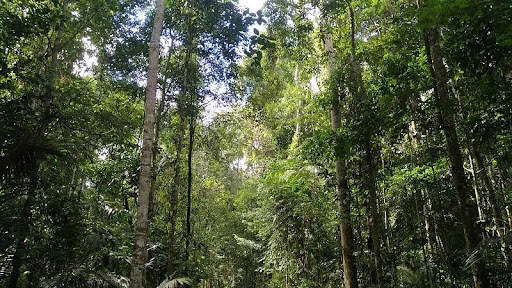
Seventy-four developing countries are the target beneficiaries of a major new climate fund proposed by Brazil’s President Luiz Inácio Lula da Silva. The “Tropical Forests Forever Facility,” announced at the Belem summit, is designed to pay these nations to halt the destruction of their vital rainforests.
This “pay-to-preserve” model is a direct attempt to solve the economic riddle of conservation. For decades, it has been more profitable to cut down trees for logging, mining, or agriculture. Lula’s plan aims to create a more powerful financial incentive to keep trees standing.
The fund, which has already secured $5.5 billion in pledges, will not be donation-based. Instead, it will be financed by interest-bearing loans from wealthier nations and commercial investors. This structure is intended to provide a stable, long-term revenue stream for preservation.
The summit’s location in the Amazon city of Belem highlights the critical role these 74 nations play. Their forests act as massive carbon sinks, and their preservation is essential for regulating the global climate.
In a move toward climate justice, the fund’s rules also mandate that 20 percent of the money goes to Indigenous peoples, recognizing them as the most effective forest guardians. The plan’s success now depends on scaling up the $5.5 billion pledged so far to meet the immense need.