
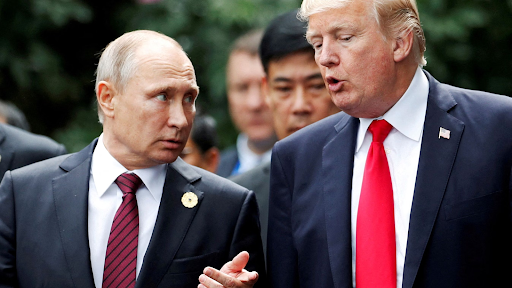
President Donald Trump is engaged in a masterful media strategy to frame the upcoming Putin summit for his political base, positioning himself as the sole peacemaker capable of ending a war that others could not. This narrative is being carefully constructed across his preferred communication channels.
The initial announcement on Truth Social, his own platform, allowed him to break the news on his terms, hailing the “highly anticipated meeting” before critics could shape the story. This direct-to-supporter approach energizes his base and bypasses traditional media filters.
His comments to reporters further build this narrative. By stating that both he and Putin “would like to meet as soon as possible” and that only “security arrangements” caused a delay, he projects an image of two powerful leaders eager to solve a problem, cutting through the red tape of lesser officials.
Finally, his optimistic claims that a deal is “very close” serve to manage expectations and define success. By setting a high bar, he can claim any positive outcome as a major victory, reinforcing his image as a uniquely effective leader on the world stage. This media strategy is as crucial to the summit’s political success as the diplomacy itself.