
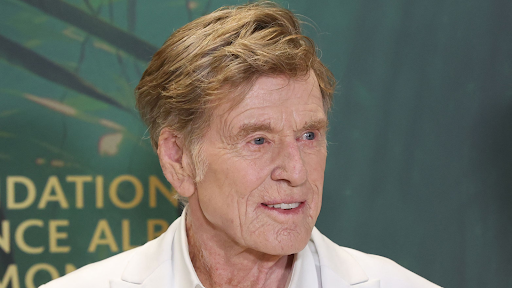
While the world remembers Robert Redford the movie star, who died at 89, it is crucial to also honor his significant and acclaimed career as a director. Uncomfortable with being defined solely by his on-screen charisma, Redford stepped behind the camera to tell stories that were quiet, introspective, and deeply human—often a world away from his blockbuster roles.
His directorial debut, Ordinary People (1980), was a stunning announcement of his talent. The film, a poignant exploration of a family torn apart by grief, won four Academy Awards, including Best Picture and a Best Director Oscar for Redford himself. It was a brave and understated film that showcased his knack for eliciting powerful, naturalistic performances from his actors.
Throughout his directing career, Redford was drawn to stories with a strong sense of place and a deep moral conscience. Films like A River Runs Through It and Quiz Show demonstrated his meticulous craftsmanship and his interest in examining the American character. He was a storyteller who valued substance and subtlety over spectacle.
His work as a director was inextricably linked to his founding of the Sundance Institute. Both endeavors sprang from the same desire: to create a space for thoughtful, character-driven stories to thrive outside the commercial pressures of Hollywood. He wasn’t just making his own films; he was building a community to support others.
Robert Redford’s passing leaves a void in American cinema, not just in front of the camera, but behind it as well. His directorial work is a testament to his artistic depth and his profound commitment to the craft of filmmaking. It is a vital part of his legacy, proving that the golden boy had the eye of a true artist.