
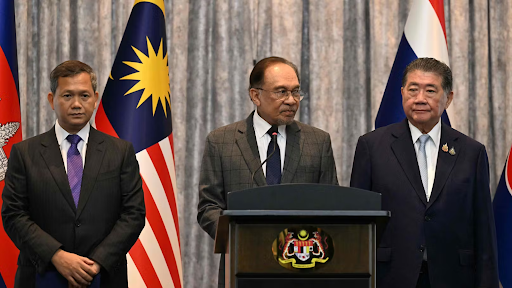
A coordinated international diplomatic effort led by Malaysia and supported by the United States successfully ended the five-day military confrontation between Thailand and Cambodia that claimed 36 lives and displaced over 200,000 people. The multilateral approach to conflict resolution demonstrates the effectiveness of regional cooperation in addressing territorial disputes.
The diplomatic coalition combined Malaysian mediation expertise with American economic pressure, creating a comprehensive approach that addressed both the immediate military situation and the underlying political motivations for continued fighting. This collaboration provided both countries with face-saving alternatives to military escalation.
The temple-centered territorial dispute had the potential to destabilize broader regional relationships, making the successful diplomatic intervention crucial for maintaining Southeast Asian stability. The conflict represented the most serious test of regional diplomatic mechanisms since similar disputes erupted between 2008 and 2011.
Acting Thai Prime Minister Phumtham Wechayachai and Cambodian Prime Minister Hun Manet demonstrated political courage in accepting the mediated ceasefire agreement, which took effect at midnight Monday. However, continued fighting near the Cambodian city of Samraong indicates that diplomatic success requires ongoing attention to implementation details. Military commanders from both sides are preparing for immediate consultations, while a cross-border committee will meet in Cambodia on August 4 to address fundamental territorial disagreements.