
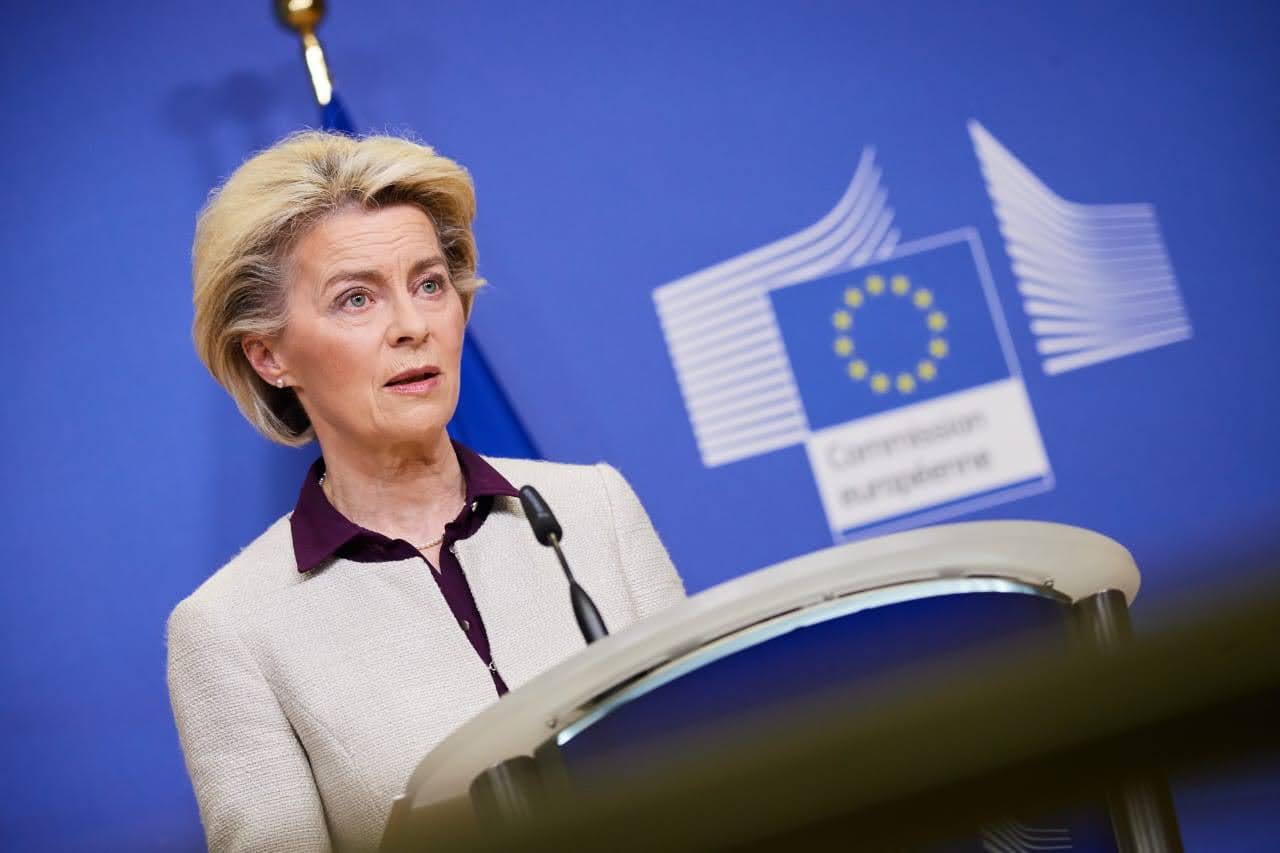
European Commission officials are working intensively to maintain member state unity as divergent national interests threaten to undermine collective bargaining power in trade negotiations with the United States. This challenge reflects fundamental tensions between national priorities and European solidarity during crisis periods.
The Commission’s responsibility for trade policy on behalf of all 27 member states creates complex coordination challenges when national governments face different economic pressures and political constraints. Managing these diverse interests while maintaining effective negotiating positions requires careful diplomatic balancing.
Recent summit discussions revealed significant gaps between member state positions, from German advocacy for quick compromise to French insistence on equal treatment. These differences provide American negotiators with potential opportunities to exploit European divisions through selective pressure or bilateral outreach.
Commission President von der Leyen’s emphasis on defending “European interests” reflects efforts to frame negotiations in collective rather than national terms. This approach seeks to subordinate individual member state concerns to broader European objectives while maintaining internal solidarity against external pressure.