
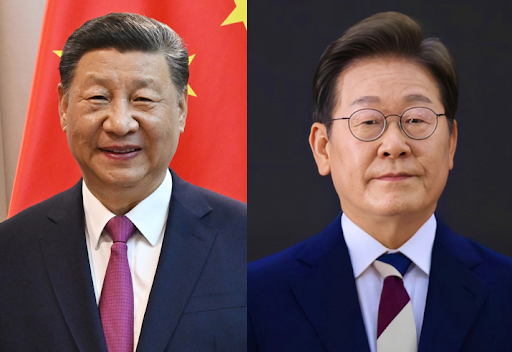
China pushed an agenda of economic cooperation during President Xi Jinping’s visit to Seoul, while South Korea was left to deal with the messy reality of domestic protests and diplomatic dead ends. The summit starkly illustrated the different priorities of Beijing and Seoul, as well as the immense pressure on President Lee Jae Myung.
For Beijing, the visit was a success. Chinese state media heavily promoted the signing of seven new economic agreements, including a significant currency swap. President Xi’s public messaging was smooth, calling for “mutual respect” and “friendly consultation” to handle disagreements, projecting an image of stable, business-focused relations.
For President Lee, the visit was a political tightrope. He was forced to confront public anger as hundreds of protesters rallied in Seoul against Chinese influence. This domestic dissent, which Lee’s government has tried to manage, provided a tense backdrop to the diplomatic discussions.
Lee’s own diplomatic goals were thwarted. His key request was for Xi to help re-engage North Korea. This hope was brutally dashed when Pyongyang itself issued a statement, visible to the world, rejecting the idea as a “pipe dream.” The public rebuke left Lee with no progress on his most critical security file.
The summit also took place in the long shadow of the U.S.-China rivalry, especially after a recent visit by U.S. President Trump. Lee had to raise sensitive U.S.-linked topics, including the 2017 THAAD missile system dispute and Chinese sanctions on a U.S. firm, further complicating his efforts to find common ground with Xi.