
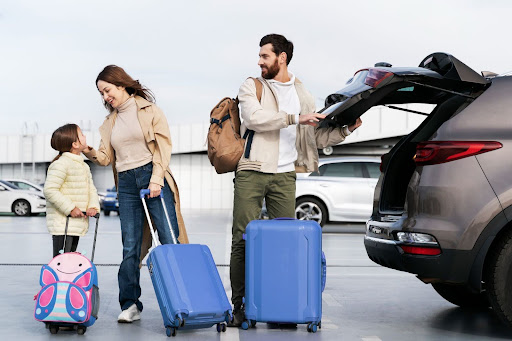
Mental preparation matters as much as physical packing. Expectations about travel experiences significantly influence actual satisfaction levels. Managing everyone’s mindsets before departure reduces disappointment and increases resilience during challenges.
Honest conversations about travel realities prevent unrealistic expectations. Explain that flights involve periods of boredom and discomfort. Acknowledge that delays sometimes occur. Discuss crowded terminals and long lines. This preparation doesn’t eliminate challenges but helps children accept them as normal rather than catastrophic failures.
Positive framing shapes attitudes toward travel experiences. Present flights as adventures rather than ordeals. Frame delays as opportunities for extra playtime or special treats. Emphasize exciting destinations rather than difficult journeys. This psychological positioning influences how families experience identical situations.
Flexibility reduces stress when plans change. Build buffer time into schedules for unexpected delays. Prepare backup activities if primary plans fail. Accept imperfection as inevitable rather than catastrophic. This adaptability allows families to pivot gracefully rather than spiraling into frustration.
Gratitude practices maintain perspective during challenges. Encourage recognizing positive aspects even during difficult moments—comfortable seats, interesting people watching, time together as family. This doesn’t invalidate legitimate frustrations but prevents them from dominating the entire experience.
Create a travel mantra or positive phrase the family can repeat during challenging moments. Something simple like “We’re adventurers!” can reset attitudes and reduce negativity spirals.