
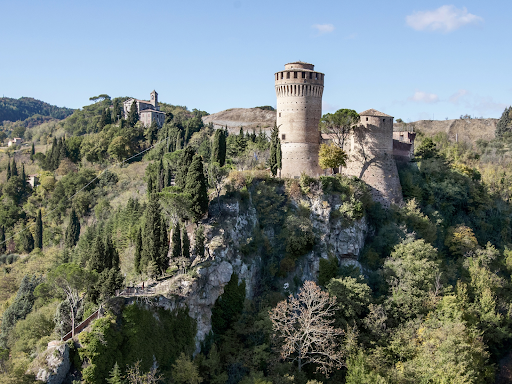
The small town of Venosa in the Basilicata region is an astonishing historical archive, holding layers of antiquity that vastly outweigh its present-day size. It offers a quiet, uncrowded exploration of some of Italy’s most diverse and preserved ancient treasures.
Venosa holds the unique distinction of being the birthplace of the great Roman lyric poet, Horace (Quintus Horatius Flaccus). Yet, its history is a multicultural tapestry, not solely confined to the classical era. The town preserves significant, well-maintained Roman remains that speak to its regional importance in the ancient world.
Adding a rare dimension to its heritage, Venosa is also home to ancient Jewish catacombs. These subterranean burial sites are a poignant and powerful reminder of the varied populations that flourished in Southern Italy centuries ago, offering a unique glimpse into the region’s diverse past.
Anchoring this historical ensemble is a striking medieval castle, a formidable structure that ensures the town’s silhouette spans from antiquity through the Middle Ages. The presence of these monuments side-by-side offers a unique, condensed history lesson.
The surrounding Basilicata countryside is equally rich, dotted with overlooked, magnificent castles and palaces in places like Melfi, Lagopesole, and Pietragalla. These sites, if located on a more popular route, would be world-renowned, but their remote location preserves their quiet grandeur and integrity.