
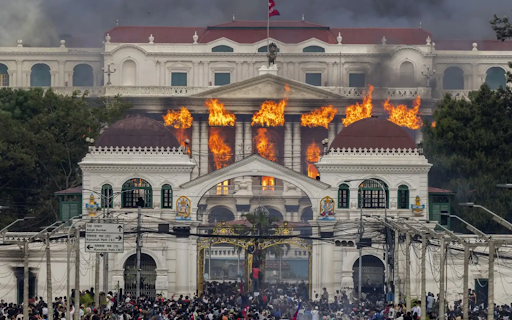
The crisis in Nepal is a textbook example of a political levee breaking under the immense pressure of public discontent. For years, the waters of frustration were rising, yet the government failed to build the necessary outlets for relief. Instead, its final action plugged the last remaining gap, leading to a catastrophic and inevitable flood of violence.
The rising waters were fed by several powerful currents. The strongest was the current of economic despair, driven by a 20% youth unemployment rate that left a huge portion of the population feeling adrift and powerless. This created an enormous reservoir of potential energy for social unrest, which grew with each passing year.
Another major current was the public’s deep-seated anger at government corruption. A pervasive sense that the system was fundamentally unjust and served only a privileged few eroded the foundations of the state’s legitimacy. This was compounded by the visible inequality that showcased the elite’s disconnect from the struggles of ordinary people.
The social media ban was the final, fatal error. It was the equivalent of sealing the last spillway during a flood. By blocking the primary channel for public expression, the government ensured the pressure would become unbearable. The levee of social order broke, and the resulting chaos serves as a stark reminder that when popular frustration is not given a voice, it will eventually find one through force.