
Protein is a critical component in many bodily functions, from building muscles and repairing tissues to supporting the immune system and maintaining healthy skin, hair, and nails. Despite its importance, many individuals may unknowingly experience a mild deficiency. This is particularly common among those who skip meals, consume a diet high in refined carbohydrates, or adhere to restrictive eating plans. Recognizing early signs of protein deficiency can help in making necessary dietary adjustments before it impacts overall health.
One of the most noticeable signs of insufficient protein intake is constant hunger and frequent cravings. Protein plays a crucial role in keeping hunger at bay by slowing down digestion and influencing hormones that regulate appetite. Additionally, those experiencing a gradual loss of strength may also need to evaluate their protein intake, as it is vital for maintaining muscle mass and facilitating muscle repair. Persistent fatigue is another red flag; even with adequate sleep, low protein levels can hinder the body’s ability to produce enzymes and hormones essential for energy production.
Changes in hair, skin, and nails can also indicate a lack of protein. Protein is necessary for the production of keratin and collagen, which are vital for healthy hair, nails, and skin. Signs such as increased hair shedding, brittle nails, and dry or dull skin could be suggestive of a deficiency. Moreover, slow recovery after exercise or illness might point to inadequate protein, as it is crucial for tissue repair and recovery. In more severe cases, low protein levels can lead to mild fluid retention, causing swelling in the feet, ankles, or lower legs. Persistent swelling should be addressed by a healthcare professional.
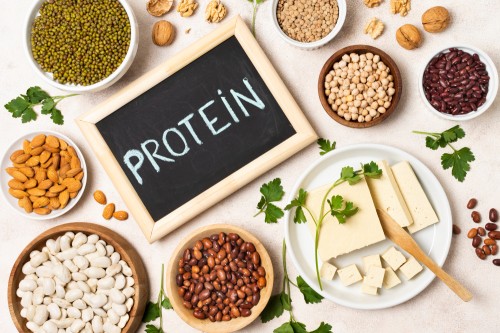
Frequent infections may also arise from a protein deficiency, as it can weaken the immune system’s ability to produce antibodies, thereby reducing the body’s capacity to fend off illnesses. To combat these issues, incorporating a quality source of protein in every meal is recommended. Foods rich in protein include eggs, dairy products like milk and yogurt, fish, lean poultry, soy products such as tofu, and legumes like lentils, beans, and chickpeas. Combining these with fiber-rich vegetables and healthy fats can enhance satiety and promote balanced nutrition.
For individuals with higher protein needs, such as athletes, older adults, busy professionals, or those recovering from illness or surgery (under medical supervision), protein supplements can be beneficial. Whey protein is a popular choice among many adults, while plant-based options like pea and rice protein blends are suitable for vegetarians and those avoiding dairy. By making small yet significant improvements in daily eating habits, such as ensuring adequate protein intake, individuals can support their energy levels, muscle health, recovery, and overall well-being.