
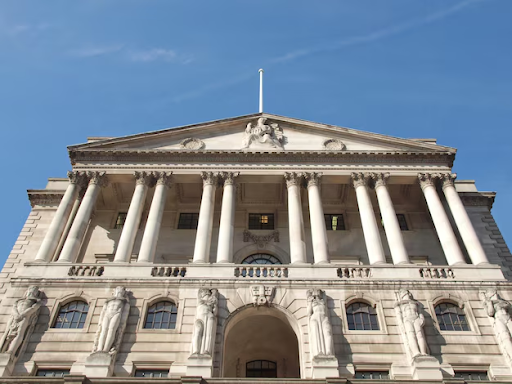
The Bank of England has held interest rates unchanged at 3.75%, with considerations about UK external debt sustainability playing a background role in policy deliberations. International borrowing capacity influences policy constraints.
The monetary policy committee’s 5-4 vote occurs in a context where the UK runs a current account deficit, meaning it borrows from abroad to finance spending. Interest rates affect the attractiveness of UK assets to foreign investors who provide this financing. If rates fall too low, capital inflows might diminish.
External debt sustainability requires maintaining investor confidence that the UK can service its obligations. Excessively loose monetary policy risking inflation or currency depreciation could undermine this confidence. The Bank must balance domestic objectives against external financing needs.
However, rates that are too high relative to growth can also create sustainability problems by depressing economic activity and tax revenues needed to service debt. With GDP forecast at just 0.9%, current rates might be impeding the growth necessary for debt sustainability.
Governor Bailey’s projection that inflation will fall to around 2% by spring helps maintain external confidence by demonstrating price stability commitment. Foreign investors require confidence that their UK asset returns won’t be eroded by inflation or currency weakness. The unemployment forecast of 5.3% suggests economic slack that might concern investors about growth prospects. Chancellor Reeves’s budget measures, including utility bill cuts and rail fare freezes from April, demonstrate fiscal policy working to control inflation, complementing monetary policy and supporting external confidence. Inflation at 2.1% by mid-2026 provides the stability foreign investors seek.