
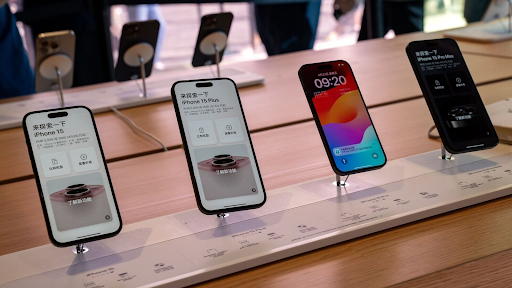
A fundamental restructuring of the iPhone sales calendar is on the horizon, as the manufacturer plans to break its long-standing tradition of a unified September launch. Starting in 2026, the company intends to split its annual releases across two distinct periods: the fall and the spring. This move is designed to accommodate a rapidly expanding lineup, which is set to grow to seven models by 2027. By segregating the launch windows, the company can better target different demographics and manage the flow of revenue and resources throughout the fiscal year.
The fall window will retain its prestige as the showcase for the absolute best technology the company has to offer. This period will see the launch of the iPhone 18 Pro lineup and the inaugural foldable iPhone. The foldable, likened to “two titanium iPhone Airs side-by-side,” is positioned as the “star” of the show. By keeping these expensive, enthusiast-focused devices in the fall, the company ensures that the holiday season is driven by high-margin sales and the excitement of cutting-edge innovation.
In contrast, the spring window—arriving approximately six months later—will act as the launchpad for the mainstream market. This includes the standard iPhone 18, a new “e” model, and the updated iPhone Air. This strategic timing ensures that the company has a “new” product to sell during the traditionally slower months of the year. It also allows the standard models to stand on their own merits, rather than being viewed merely as the “cheaper” versions of the Pro models announced on the same stage.
The rationale behind this split is to stabilize revenue and reduce pressure on engineering and manufacturing. Cramming the development of seven models into a single timeline is a recipe for delay and burnout. Spreading the work allows for better quality assurance and a smoother supply chain operation. The engineering teams can cycle between the high-performance demands of the Fall cycle and the efficiency/volume demands of the Spring cycle.
This new calendar also highlights the unique role of the iPhone Air. Described as a “technology exercise” and prototype for the foldable, the Air’s presence in the spring lineup offers a niche option for those who prioritize design. It is not a mass-market product, but its existence proves that the company is willing to diversify its portfolio to maintain its dominance in an increasingly saturated market.