
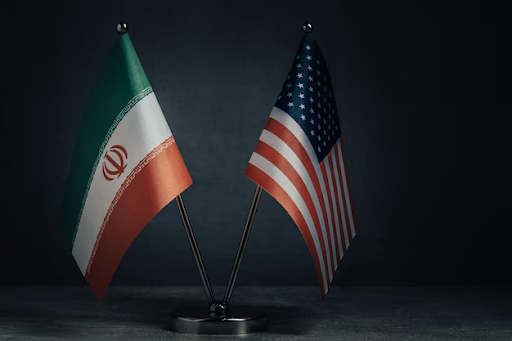
Iran was simultaneously a nation in mourning and a country in active diplomatic pursuit on Tuesday, as tens of thousands gathered for 40th-day memorial ceremonies for protesters killed in recent unrest while Iranian diplomats in Geneva made what their foreign minister called constructive progress in nuclear talks with the United States.
The second round of indirect negotiations, facilitated by Omani mediators, lasted about three and a half hours and ended with agreement on guiding principles. Foreign Minister Araghchi said the talks had been more positive than the first round and that both sides would exchange draft texts before meeting again in roughly two weeks to address the remaining substantive gaps.
The nuclear issues discussed included the fate of Iran’s 60% enriched uranium stockpile, the restoration of IAEA inspector access at damaged nuclear facilities, and the terms of any enrichment constraints Iran might accept. Iran offered to dilute its near-weapons-grade material and expand IAEA cooperation — steps framed as genuine confidence-building measures rather than concessions to external pressure.
The US maintained its demand for a complete halt to domestic uranium enrichment, which Iran has consistently rejected. Neither side showed movement on this core disagreement, though both committed to formalizing their positions in writing ahead of the next round. Iran also made clear that its ballistic missiles and regional relationships were not on the negotiating table under any circumstances.
The contrast between the mourning at home and the diplomacy abroad encapsulated the profound contradictions of Iran’s current moment. A government that had acknowledged killing its own citizens in the streets was simultaneously offering non-aggression pacts and economic cooperation packages in a Swiss conference room, while its supreme leader threatened American warships and its navy conducted military exercises in one of the world’s most vital shipping lanes.